
Tooth Extractions in Sidcup
Same Day & Emergency Tooth Extraction for Fast Relief From Dental Pain.
Gentle and Effective Care
At Sidcup Dental Spa, we understand that the need for a tooth extraction can be stressful, which is why our experienced team is committed to providing comfortable and efficient private tooth extraction services – prioritising your comfort and well-being throughout the entire process.
When is Tooth Extraction Necessary?
While we always strive to preserve natural teeth, there are instances where extraction becomes the best course of action. Common reasons for tooth extraction include:
- Severe tooth decay
- Gum disease
- Broken or cracked teeth
- Wisdom tooth removal.
- Crowded teeth
The Extraction Process
- Local anaesthesia: To numb the area around the tooth.
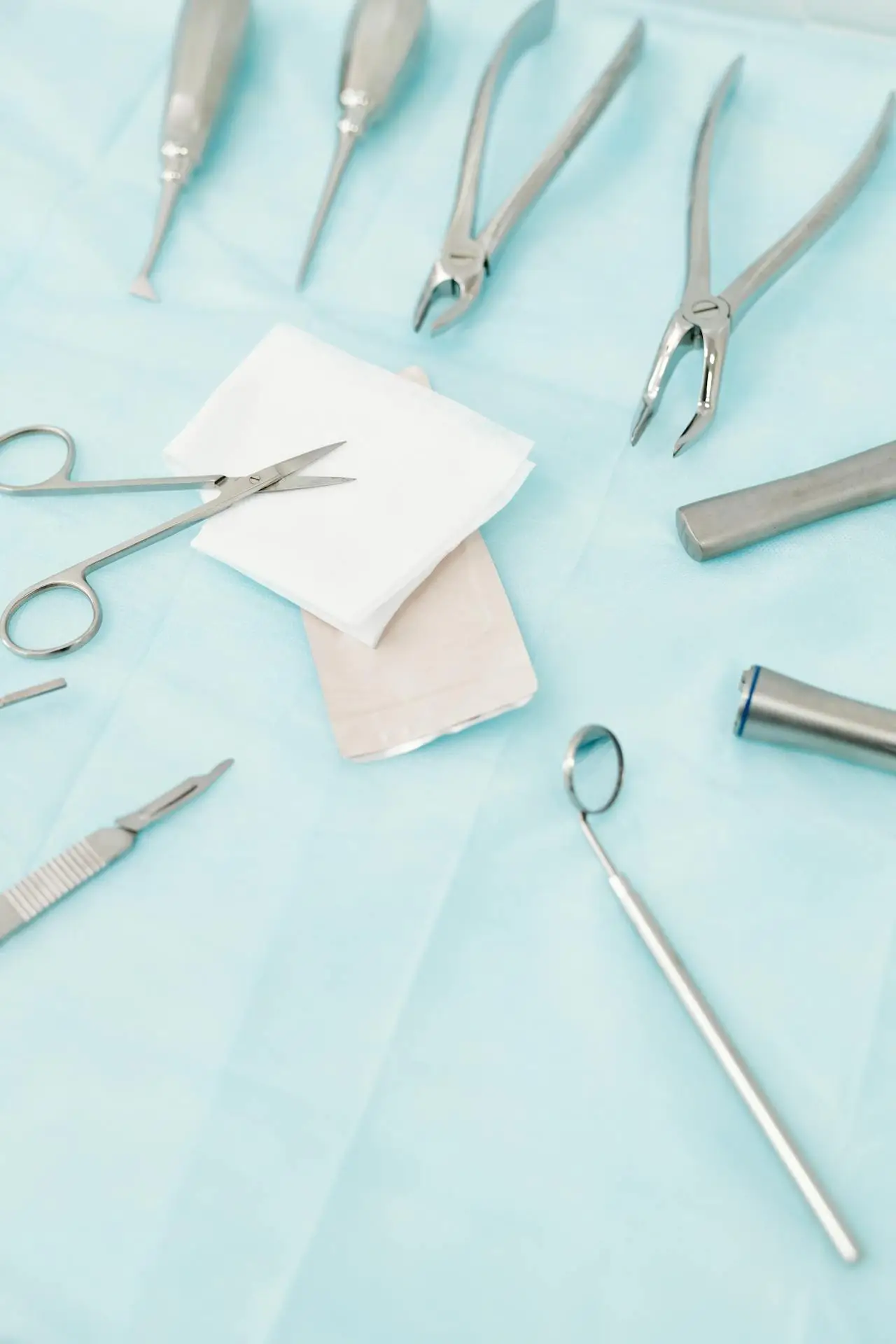
- Tooth removal: Using specialised instruments to gently extract the tooth.
- Post-extraction care: Providing detailed instructions for a smooth recovery.
Replacing Missing Teeth
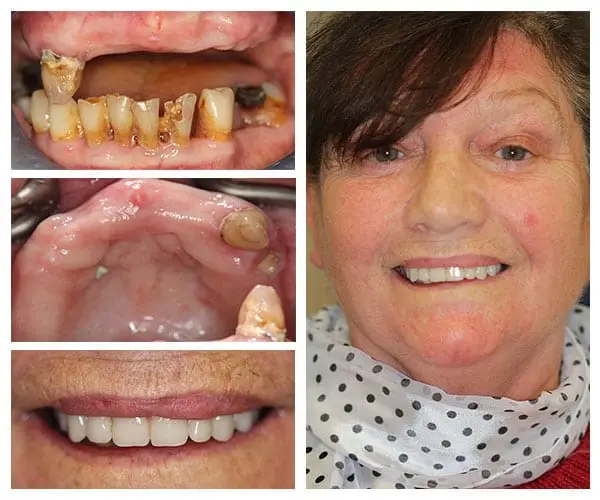
After tooth extraction, it’s important to consider replacing the missing tooth to maintain oral health and function. We offer a range of options, including:
- Dental implants: A long-lasting and natural-looking solution.
- Dental bridges: A fixed restoration that replaces missing teeth.
- Dentures: A removable prosthetic to restore your smile.

Potential Complications
While tooth extraction is generally safe, complications can occur. It’s important to be aware of the potential risks:
Dry socket: This occurs when the blood clot that forms in the extraction site becomes dislodged, exposing the bone. It can cause significant pain and discomfort.
Infection: There’s a small risk of infection after any oral surgery. Symptoms include swelling, redness, and pus.
Bleeding: Some bleeding is normal after extraction, but excessive bleeding may require medical attention.
Damage to adjacent teeth: In rare cases, neighbouring teeth may be damaged during the extraction process.
Nerve injury: In some instances, the extraction may affect nearby nerves, causing temporary or permanent numbness.
Preparing for Your Tooth Extraction
Before your procedure, your dentist will discuss your medical and dental history, including any allergies or medications you’re taking. It’s essential to be honest and open about your health to ensure the safest and most-effective treatment.
Post-Extraction Care
- Avoiding strenuous activity.
- Applying ice packs to reduce swelling.
- Taking prescribed pain medication.
- Maintaining good oral hygiene.
Spread Your Payments from 3 to 12 Months
with 0% Interest
- Available for treatments over £500
- Takes a few minutes to apply
- Get a quick answer

Private Dentist Tooth Extraction Cost:
| Extractions: | |
|---|---|
| Simple Extraction (Adult) | From £149 |
| Advanced Surgical Extraction (Adult) | From £275 |
| Extractions (Child) | From £49 |
| Extractions (Teens) | From £60 |
FAQs
When should a tooth be extracted?
A tooth may need to be removed due to severe decay, infection or overcrowding. A professional assessment helps determine whether extraction is the best solution, ensuring your long-term oral health is prioritised.
What can I expect during a tooth removal?
The procedure is performed under local anaesthesia for comfort. The dentist carefully removes the tooth, and aftercare instructions are provided to support healing, helping to minimise discomfort and promote a smooth recovery.
How long does recovery take after tooth extraction?
Most patients recover within a few days to a week. Following aftercare advice, such as avoiding hard foods and maintaining oral hygiene, helps speed up healing and reduce the risk of complications like dry socket.
Will I need a replacement after tooth removal?
Depending on the location of the extracted tooth, options like implants, bridges, or dentures may be recommended to restore function and appearance. Your dentist will guide you on the best option based on your individual needs and lifestyle.
Are there alternatives to tooth extraction?
Where possible, treatments like root canal therapy or fillings are explored first to save the natural tooth before considering removal. A thorough consultation with a dentist will help determine the most appropriate course of action for your case. To schedule a consultation and explore the best option for you, book now.
Your Comfort is Our Priority
Testimonials
